 +255 748 222 555
 Plot no.148, Haile Selasie Road, Oysterbay Area – Dar es Salaam, Tanzania

For James Baldwin, a similar attempt to force a confrontation with the truth of America’s racism came in the wake of the Civil Rights Movement, and was answered with the murders of Medgar Evers, Malcolm X and Martin Luther King, Jr. In the years from the publication of?The Fire Next Time?in 1963 to that of?No Name in the Street?in 1972, Baldwin – the great creative artist, often referred to as ‘the poet of the revolution’ – became a more overtly political writer, a change that came at great professional and personal cost. But from that journey, Baldwin emerged with a sense of renewed purpose about the necessity of pushing forward in the face of disillusionment and despair.
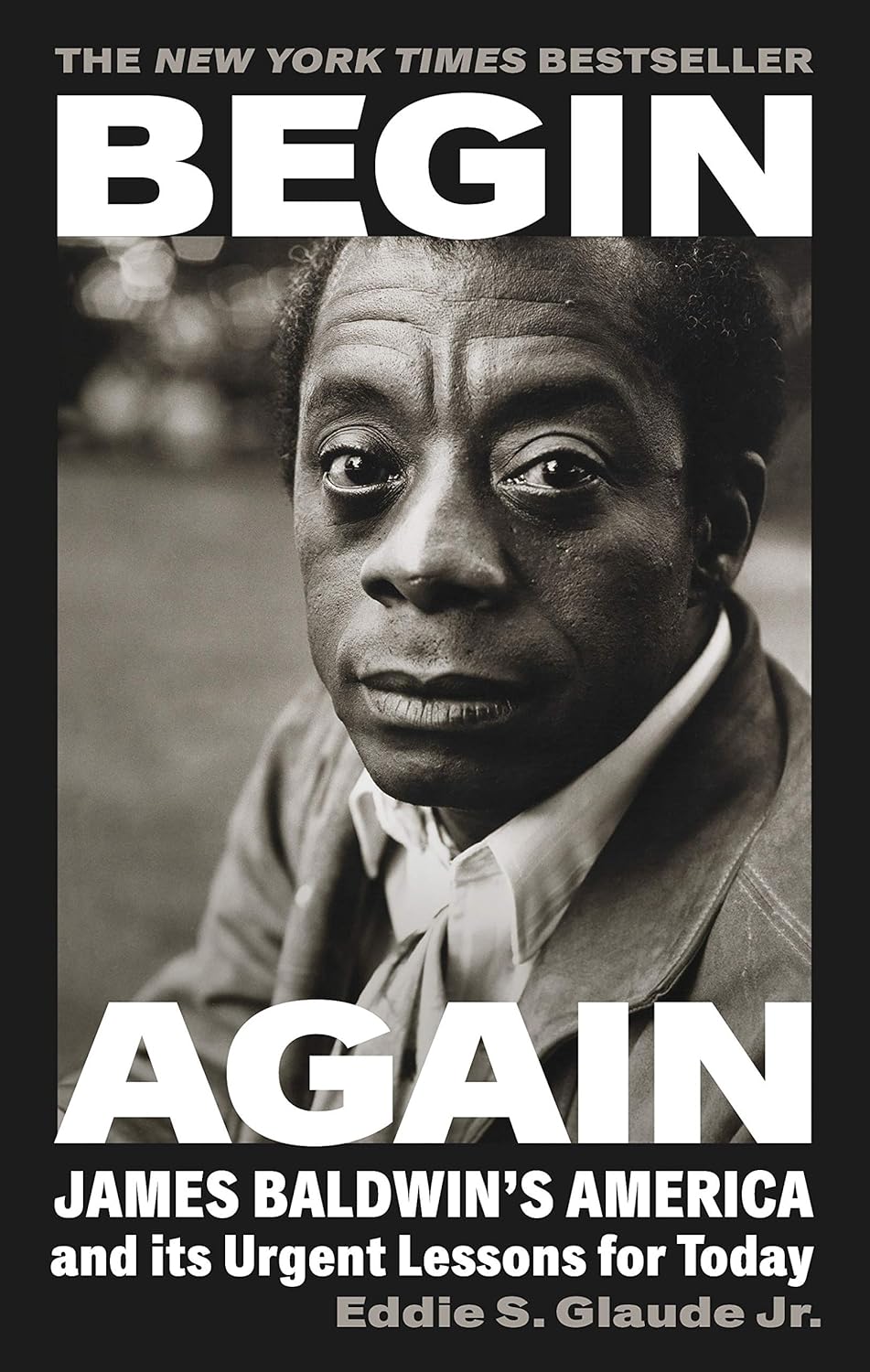

BEGIN AGAIN
TSH 18,000
Availability: In stock
Related products





×


Share